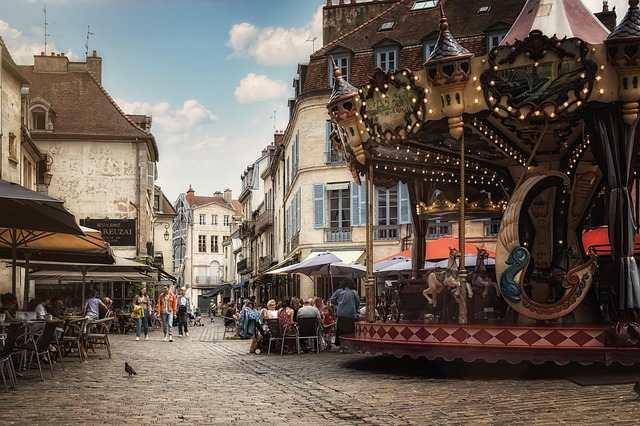

Urban centers around the world are increasingly turning to the concept of the car‑free zone as a cornerstone of sustainable development. By deliberately excluding private motor vehicles from defined areas—often the historic core, main pedestrian streets, or transit corridors—cities reduce emissions, improve air quality, and foster social interaction. The idea is simple yet powerful: re‑imagine urban space as a shared, low‑impact environment that supports diverse, low‑carbon mobility options.
The Ecological Footprint of Traditional Mobility
Private cars are a leading contributor to greenhouse gas emissions. According to recent studies, the transportation sector accounts for roughly 23% of global CO₂ emissions, with passenger vehicles comprising a substantial share. This impact is felt not only in the atmosphere but also in the consumption of finite resources, noise pollution, and the fragmentation of communities.
- Energy consumption: Gasoline and diesel vehicles rely on fossil fuels, depleting reserves and generating carbon-intensive byproducts.
- Air pollution: Particulate matter and nitrogen oxides from combustion engines worsen respiratory health and ecological balance.
- Urban heat islands: Dense parking lots and road surfaces absorb heat, increasing local temperatures.
By contrast, a car‑free zone cuts down on these negative externalities, leading to a smaller ecological footprint for the city.
Green Technologies Empowering Car‑Free Zones
Transforming a city into a low‑impact area requires an integrated suite of green technologies. These solutions are not merely additive; they work synergistically to deliver carbon neutrality and a more livable urban environment.
“When a city eliminates the noise of the engine, it reclaims its own voice.” – Urban Design Thought Leader
Key technologies include:
- Electric public transit – Buses and trams powered by renewable energy reduce emissions dramatically.
- Shared mobility platforms – Bicycle‑sharing and electric scooter networks provide first‑ and last‑mile solutions without the need for cars.
- Smart traffic management – Adaptive signal control and real‑time routing reduce idling and improve flow for pedestrians and cyclists.
- Renewable micro‑grids – Solar panels and wind turbines embedded in buildings power street lighting, charging stations, and public amenities.
Case Study: European City Implements Car‑Free Zone
In 2020, a mid‑size European city opened its entire historic district to a car‑free zone. The initiative combined the removal of parking infrastructure with the installation of an extensive network of electric trams and a high‑density bicycle‑sharing system. Within two years, air quality indices improved by 15%, and pedestrian traffic increased by 35%. Residents reported higher satisfaction with the public realm, noting more time for community interaction and local commerce.
Measuring Carbon Neutrality in a Car‑Free Context
Achieving carbon neutrality in a car‑free zone involves rigorous monitoring and adaptive strategies. City planners typically employ the following framework:
- Baseline assessment of current emissions and traffic patterns.
- Implementation of low‑carbon mobility options and green infrastructure.
- Continuous monitoring through sensors, GIS mapping, and citizen feedback.
- Periodic adjustment of policies—such as expanding bike lanes or upgrading energy sources—to maintain a net‑zero balance.
Stakeholder engagement is critical. Local businesses, schools, and community groups contribute to monitoring efforts by reporting usage patterns, which help refine the system and ensure that the car‑free zone remains responsive to public needs.
Social and Economic Benefits Beyond Emissions
The shift to a car‑free zone yields dividends that extend far beyond the environmental realm. When streets are freed from motor traffic, they become spaces for spontaneous human interaction, cultural events, and commerce.
Local shops often see increased foot traffic as pedestrians linger longer, leading to higher sales and a more vibrant economy. Public health benefits include increased physical activity, reduced stress levels, and improved mental well‑being from quieter, greener surroundings.
Moreover, the economic case for car‑free zones is compelling. Reduced maintenance costs for roads, lower insurance premiums for property damage, and the attraction of tourism—all contribute to a thriving urban economy.
Challenges and Mitigation Strategies
Transitioning to a car‑free zone is not without obstacles. Common challenges include:
- Public resistance – Individuals accustomed to private car use may feel inconvenienced.
- Infrastructure costs – Reconfiguring streets and installing new mobility solutions require upfront investment.
- Logistical complexity – Coordinating delivery services, emergency vehicles, and maintenance in restricted zones demands careful planning.
Mitigation approaches involve:
- Comprehensive public education campaigns highlighting health and environmental benefits.
- Incentivizing electric vehicle use through subsidies and tax breaks until full transition.
- Establishing dedicated delivery corridors and emergency access protocols that respect the car‑free principle while maintaining essential services.
The Road Ahead: Scaling Car‑Free Initiatives
While many cities have begun experimenting with car‑free zones, scaling these initiatives requires a policy framework that prioritizes sustainability. Governments can support expansion through:
- Legislative mandates that require new developments to incorporate car‑free pathways.
- Financial incentives for retrofitting existing districts with green technologies.
- Cross‑sector partnerships that align transportation, housing, and environmental goals.
In a future where climate resilience and quality of life are paramount, the car‑free zone stands out as a practical, achievable solution that aligns economic growth with ecological responsibility.