
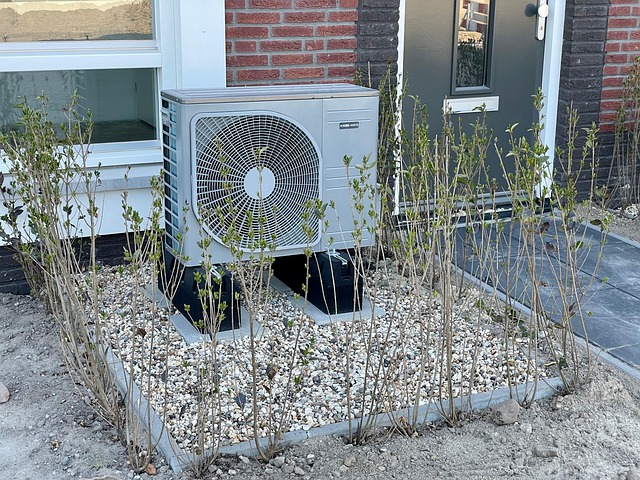

Imagine a world where sustainability is not just a goal, but a way of life. A world where our actions are driven by the desire to create a better future for generations to come. In this pursuit of a greener tomorrow, the efficiency of heat pumps plays a crucial role in enhancing sustainable development and moving towards a carbon-neutral future.
When we talk about sustainable development, we are referring to the ability to meet the needs of the present without compromising the ability of future generations to meet their own needs. One of the key factors in achieving this balance is reducing our ecological footprint – the impact of human activities on the environment. By embracing green technologies such as heat pumps, we can significantly lower our ecological footprint and pave the way for a more sustainable future.
Heat pump efficiency is a vital aspect of green technology that deserves our attention. These innovative systems utilize renewable energy sources such as the air, ground, or water to provide heating and cooling for our homes and buildings. By harnessing the natural warmth or coolness of these elements, heat pumps can operate with high efficiency and minimal environmental impact.
As we strive for a carbon-neutral future, where our net carbon emissions are reduced to zero, the role of heat pump efficiency becomes even more critical. Traditional heating and cooling systems often rely on fossil fuels, which contribute significantly to carbon emissions and global warming. By transitioning to energy-efficient heat pumps, we can significantly reduce our carbon footprint and move closer to achieving carbon neutrality.
In conclusion, enhancing sustainable development through the exploration of heat pump efficiency is a powerful step towards a greener, more sustainable future. By embracing green technologies and reducing our ecological footprint, we can create a world where efficiency and sustainability go hand in hand. Let’s seize the opportunity to make a positive impact on our planet and work towards a carbon-neutral future for all.