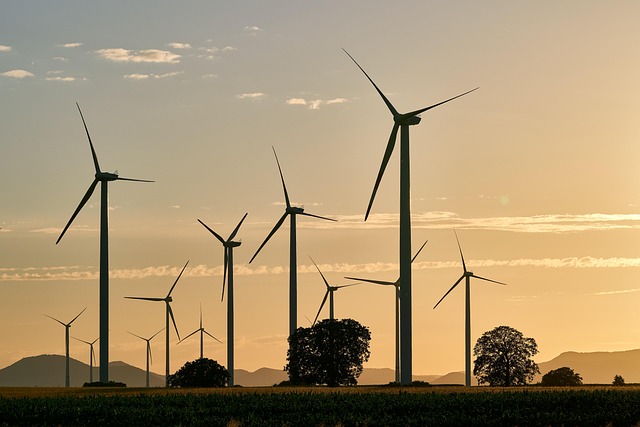
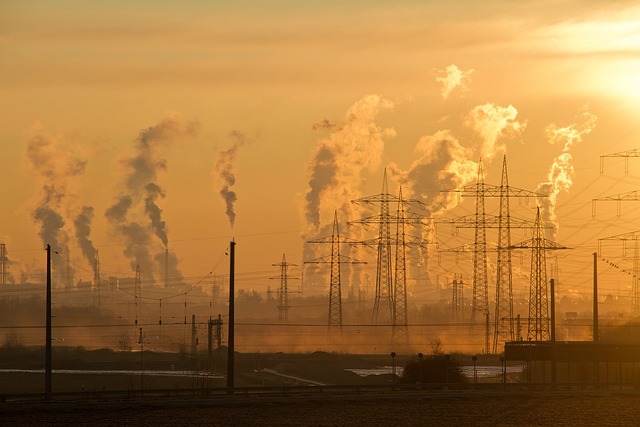

As we move deeper into the 21st century, the phrase environmental season has become a rallying cry for communities worldwide. It speaks to the idea that every year carries a distinct opportunity to reshape our relationship with the planet. In this season, the focus shifts from consumption to conscious stewardship, especially through the lens of recycling and green technologies that drive a carbon‑neutral future.
The Essence of the Environmental Season
The environmental season is more than a seasonal shift; it is a cultural transformation that prioritizes sustainability at all levels of society. From household habits to industrial practices, the season encourages a holistic approach to reducing ecological footprints. By integrating cutting‑edge green technologies into everyday life, we create a ripple effect that moves societies toward a truly carbon‑neutral trajectory.
Recycling as the Core of Sustainable Development
Recycling sits at the heart of the environmental season’s agenda. It is the bridge between the current consumption patterns and a future where resources are managed responsibly. When we recycle, we close loops that once opened and left waste in landfills, thereby diminishing the need for virgin material extraction. This process directly lowers greenhouse gas emissions, preserves natural habitats, and saves energy.
“Every recycled item is a step toward a regenerative planet.” – Green Earth Initiative
Green Technologies Powering the Shift
Technology is the engine that propels the environmental season forward. From smart grids that balance renewable energy supply with demand to advanced bio‑refining plants that transform waste into fuels, these innovations make it feasible to sustain life without further harming the Earth. Their impact is twofold: they reduce the carbon intensity of production and empower consumers with tangible choices.
Solar and Wind Integration
Solar photovoltaics and wind turbines have become ubiquitous fixtures in the environmental season’s landscape. Their rapid deployment has significantly lowered the cost of clean electricity, making it competitive with fossil fuels. Moreover, innovations in battery storage allow surplus generation to be stored and used during periods of low renewable output, smoothing grid variability and preventing curtailment.
- Grid‑scale battery farms now operate alongside traditional power plants, offering real‑time response to load fluctuations.
- Community solar projects enable households without rooftop capacity to invest in clean energy, broadening the reach of renewable benefits.
Bio‑Refining and Circular Bio‑economy
Bio‑refining processes convert organic waste into a portfolio of bio‑based products—fuels, chemicals, and building materials—thereby reducing the need for fossil‑derived counterparts. The environmental season champions these pathways as they align waste valorization with carbon neutrality. By diverting food waste, agricultural residues, and industrial by‑products from landfills, bio‑refining not only mitigates methane emissions but also captures carbon within useful materials.
Digital Twins and AI in Resource Management
Digital twin technology simulates real‑world processes, enabling stakeholders to test interventions before implementation. When paired with artificial intelligence, these models forecast material flows, optimize recycling routes, and minimize energy consumption in manufacturing. The environmental season sees these tools as essential for designing systems that adapt to changing resource demands while keeping carbon footprints in check.
Community‑Driven Initiatives and Behavioral Shifts
While technology offers powerful tools, the environmental season also thrives on behavioral transformation. Community‑based programs—such as neighborhood composting drives, shared tool libraries, and waste‑sorting education—empower individuals to make sustainable choices. When people understand the link between their actions and planetary health, the collective impact multiplies.
Education and Awareness Campaigns
Public awareness initiatives play a pivotal role in the environmental season. By integrating sustainability education into school curricula and workplace training, societies cultivate a generation of environmentally literate citizens. These programs demystify complex concepts like carbon accounting and circular economies, making the journey toward carbon neutrality more accessible.
Policy Instruments and Incentives
Governments, recognizing the urgency of the environmental season, adopt policies that favor low‑carbon alternatives. Carbon pricing mechanisms, subsidies for renewable installations, and tax credits for recycling infrastructure create a favorable economic landscape. When policies align financial incentives with ecological goals, the pace of transformation accelerates dramatically.
Measuring Success: Metrics and Benchmarks
Tracking progress in the environmental season requires robust metrics. Life‑cycle assessment (LCA) quantifies environmental impacts from cradle to grave, while carbon accounting frameworks measure net emissions reductions. Additionally, the “ecological footprint” metric offers a holistic view of resource use, helping societies compare the sustainability of their development strategies against global baselines.
Adopting Circular Economy Principles
Shifting from a linear “take‑make‑dispose” model to a circular economy underpins the environmental season’s vision. In this paradigm, products are designed for durability, reparability, and end‑of‑life recovery. Recycling processes are integrated into the product lifecycle, ensuring that each component finds a second life before it is deemed waste.
Case Study: Urban Waste‑to‑Energy Projects
Several metropolitan regions have embraced waste‑to‑energy plants that convert municipal solid waste into electricity and heat. These facilities not only mitigate landfill use but also generate renewable energy, contributing to grid decarbonization. The environmental season highlights such projects as exemplary models for blending waste management with energy production.
Challenges and Pathways Forward
Despite significant progress, obstacles remain. Technological barriers, such as the intermittency of renewable sources, require continued investment in grid resilience. Social challenges include ensuring equitable access to green technologies and preventing environmental injustice. Addressing these issues demands collaborative governance that incorporates stakeholders from every sector.
Scaling Innovations Globally
Technology transfer and international cooperation are critical for amplifying the environmental season’s impact. Low‑income regions can benefit from modular renewable systems and low‑cost recycling solutions that are adaptable to local contexts. Global frameworks, like the United Nations Sustainable Development Goals, provide a shared vision that aligns national policies with the global carbon‑neutral ambition.
Continuous Learning and Adaptive Management
The environmental season is dynamic, demanding a culture of continuous improvement. Adaptive management strategies, rooted in real‑time data analytics, enable policymakers and businesses to pivot swiftly in response to emerging challenges. By embedding learning mechanisms into infrastructure and governance, societies ensure that the pursuit of a carbon‑neutral future remains resilient and forward‑looking.
Conclusion: The Road Ahead
The environmental season is a powerful catalyst for reimagining how we produce, consume, and dispose of materials. Through the synergistic blend of recycling, green technologies, and community engagement, we can steer societies toward a sustainable, carbon‑neutral future. Every season of the year offers a new chapter in this ongoing narrative—one that invites collective action, technological ingenuity, and unwavering commitment to the planet’s well‑being.