
In a world facing increasing environmental challenges, the push for sustainable development has never been more critical. Among the tools leading this charge is the energy efficiency certificate, a powerful instrument that helps reduce our ecological footprint while promoting responsible energy usage. These certificates serve as a validation that a building, system, or process meets specific energy-saving criteria, and in doing so, they play a fundamental role in our transition towards a greener future.
At its core, sustainable development hinges on meeting the needs of the present without compromising the ability of future generations to meet their own. Achieving this ideal requires a shift in mindset and action—a shift that begins with understanding our current energy consumption and implementing strategies to minimize unnecessary usage. That’s where the energy efficiency certificate becomes essential, providing an actionable pathway for individuals, businesses, and governments to participate in eco-conscious development.
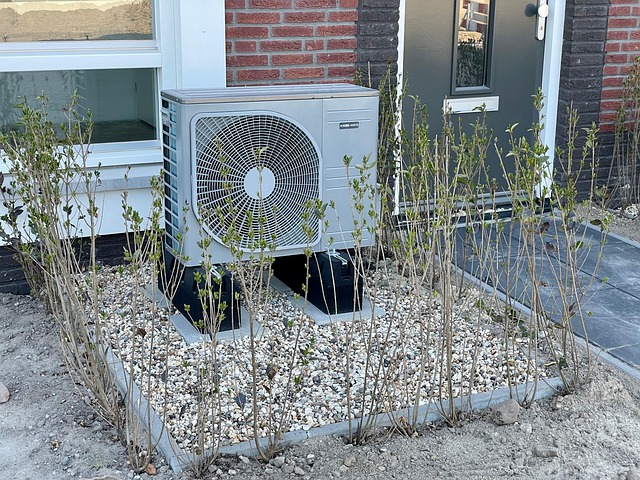
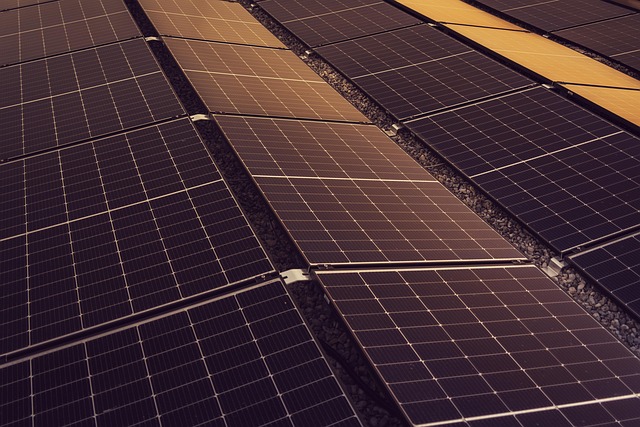
The impact of these certificates stretches far beyond paper acknowledgments. They incentivize the adoption of green technologies, propel innovation, and set a benchmark for responsible resource utilization. Technologies such as solar panels, smart lighting, and high-efficiency HVAC systems are now more than buzzwords—they’re central components to a carbon-neutral lifestyle. When integrated effectively, such technologies not only reduce emissions but also offer financial savings over time, making sustainability economically appealing.
Our ecological footprint is a reflection of the choices we make daily—how we travel, how we consume energy, and how we construct our living and work spaces. With energy efficiency certificates, there is now a measurable way to track and verify efforts to reduce this footprint. They encourage ongoing assessments and improvements, serving as motivators to continue progressing towards reduced carbon outputs and increased performance.
Moreover, energy efficiency contributes directly to carbon neutrality. By reducing the amount of energy required to perform tasks, we naturally decrease the demand for fossil fuels, thereby cutting down CO₂ emissions. Each certified building or system moves us one step closer to a zero-emissions reality. Cities and corporations around the globe are recognizing this and integrating certification into their sustainability goals, which creates a ripple effect of awareness and action.
What makes the energy efficiency certificate particularly effective is its ability to bridge individual responsibility with systemic change. It taps into the growing consciousness among people who wish to lead more sustainable lives yet often feel overwhelmed by the scale of global issues. Through certifications, people are given a tangible way to make a difference—whether upgrading their home insulation, opting for energy-rated appliances, or designing entire infrastructures with sustainability in mind.
Efficiency is not about doing less—it’s about doing better. And as the world inches closer to environmental tipping points, the emphasis on impactful, measurable tools like the energy efficiency certificate can lead us toward smarter development choices. When combined with green technologies and a commitment to reducing our carbon footprint, these certificates lay the groundwork for a sustainable future—one where human progress and environmental stewardship coexist harmoniously.