
Embracing a sustainable journey towards carbon neutrality is not just a mere choice; it is a necessity in today’s world where the consequences of climate change are becoming increasingly evident. One crucial aspect of this journey is maximizing energy efficiency in every sphere of our lives. Energy efficiency is not merely about cutting costs; it is about reducing our ecological footprint and paving the way for a greener, more sustainable future.
Sustainable development lies at the core of our quest for a carbon-neutral world. It entails meeting the needs of the present without compromising the ability of future generations to meet their own needs. By focusing on energy efficiency, we can ensure that we are utilizing resources in a way that is not only mindful of the environment but also economically viable in the long run.
Our ecological footprint – the impact of human activities on the environment – is a key indicator of our sustainability practices. The more energy-efficient we become, the smaller our ecological footprint will be. This reduction can manifest in various forms, such as lower greenhouse gas emissions, decreased water usage, and minimized waste generation.
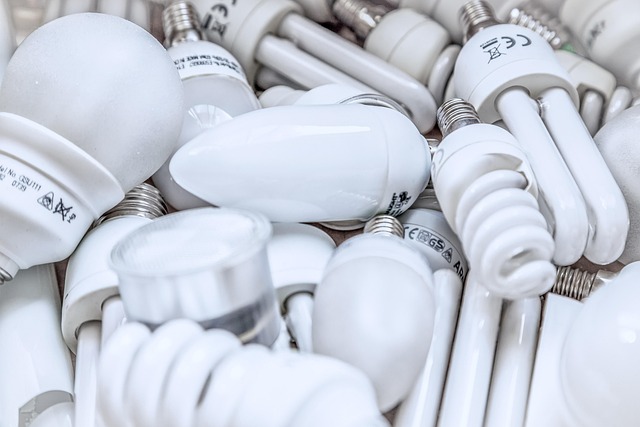
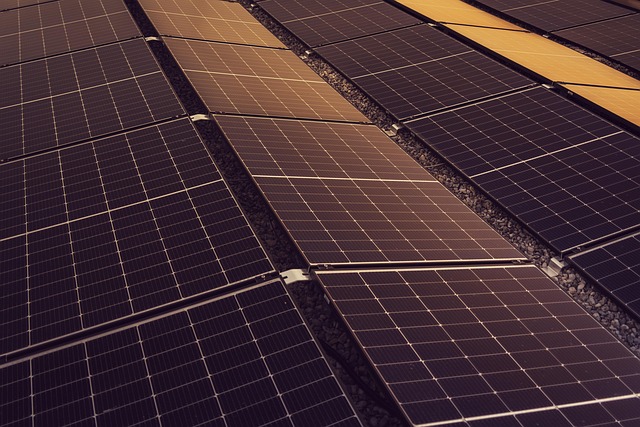
Green technologies play a pivotal role in maximizing energy efficiency. From solar panels to energy-efficient appliances, these technologies enable us to harness renewable sources of energy and reduce our dependence on fossil fuels. Embracing green technologies not only benefits the environment but also spurs innovation and creates new job opportunities in the burgeoning green sector.
Achieving carbon neutrality – where the net carbon emissions are balanced by carbon removal or offsetting – is the ultimate goal of our sustainable journey. Energy efficiency is a linchpin in this endeavor, as it allows us to minimize our carbon footprint and move closer to achieving carbon neutrality. Through a concerted effort to optimize our energy usage and embrace green practices, we can work towards a greener, more sustainable future for all.