

Modern society has come to depend on a continuous stream of power, yet the traditional sources that supply this energy often leave a lingering imprint on the planet. As the urgency to mitigate climate change grows, the concept of energy replenishment has emerged as a central theme in the pursuit of sustainable development. It embodies a shift from merely consuming energy to actively restoring and maintaining the natural systems that generate it.
Defining Energy Replenishment
Energy replenishment refers to practices and technologies that not only reduce the depletion of natural resources but also enhance the capacity of ecosystems to regenerate energy‑producing capabilities. Rather than viewing energy extraction as a one‑way drain, this approach recognizes a dynamic cycle where consumption is balanced by restorative measures.
- Renewable generation—solar, wind, hydro, geothermal, and biomass—directly contributes to replenishing energy stores.
- Energy efficiency measures reduce the overall demand, allowing ecosystems to recover more quickly.
- Innovative storage solutions keep renewable output stable, mitigating the need for fossil‑fuel backup.
The Ecological Footprint of Conventional Energy
Traditional energy production, dominated by coal, oil, and natural gas, carries a substantial ecological footprint. From the extraction phase to combustion, each step releases greenhouse gases, degrades habitats, and consumes water resources. The cumulative impact manifests in rising atmospheric CO₂ concentrations, ocean acidification, and loss of biodiversity.
“The more we rely on nonrenewable resources, the deeper the imbalance between human activity and the planet’s regenerative capacity.” – Environmental Analyst
Renewable Technologies as Drivers of Energy Replenishment
Green technologies are the linchpins of an energy replenishment strategy. By harnessing natural processes—sunlight, wind, water flow, and biological activity—these systems create a renewable loop that sustains both human needs and ecological integrity.
- Solar Photovoltaics and Thermal Systems – Advances in cell efficiency and cost reduction have made solar a cornerstone of the renewable mix. Distributed rooftop panels not only supply local demand but also reduce transmission losses.
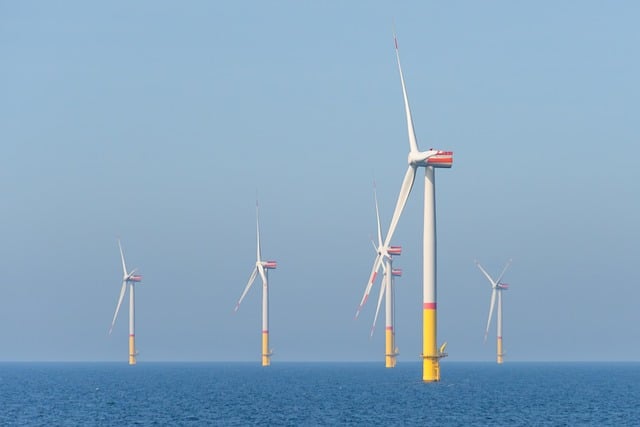
- Wind Power – Offshore and onshore turbines convert kinetic air energy into electricity. Modern designs minimize bird impact and integrate with marine ecosystems, enhancing overall environmental compatibility.
- Hydropower Innovations – Small‑scale and run‑of‑river projects preserve riverine habitats while providing steady power. Coupled with fish‑friendly turbines, these systems exemplify balanced energy replenishment.
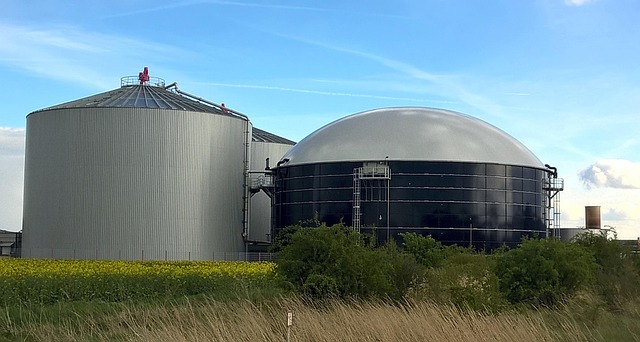
- Geothermal and Biomass – Geothermal taps into Earth’s internal heat, whereas biomass utilizes organic waste streams, closing the loop between consumption and production.
- Energy Storage – Batteries, pumped‑storage, and emerging hydrogen solutions smooth out intermittency, ensuring that renewable supply aligns with demand without resorting to fossil backup.
Real‑World Implementation: Case Studies
Across the globe, communities are experimenting with energy replenishment frameworks that combine policy, technology, and social engagement. These projects illustrate how local contexts can shape the scale and scope of green transitions.
- Finland’s Circular Energy Districts – Integrated systems blend district heating, solar thermal, and waste‑to‑energy plants, delivering reliable heat while diverting waste from landfills.
- California’s Solar Farm Integration – Grid‑scale solar parks are paired with advanced storage arrays, allowing the state to meet peak demand without additional fossil generation.
- Bangladesh’s Floating Solar Initiatives – Deploying panels on water bodies reduces land use conflicts and improves local microclimates, enhancing both energy supply and ecological resilience.
Policy and Incentives for Energy Replenishment
Robust policy frameworks are essential to scale energy replenishment. Effective instruments include:
- Renewable Portfolio Standards – Mandate a minimum share of renewables in electricity generation, creating a guaranteed market.
- Feed‑in Tariffs and Net Metering – Provide financial incentives for households and businesses to generate their own power, fostering decentralized replenishment.
- Carbon Pricing – Internalizes the environmental cost of fossil fuels, making green alternatives more competitive.
- Research and Development Grants – Fund breakthroughs in storage, turbine efficiency, and grid integration to accelerate technology adoption.
Challenges to Widespread Energy Replenishment
Despite the promise of green technologies, several obstacles impede universal transition. Addressing these challenges is critical for a lasting shift toward sustainable development.
- Intermittency and Grid Stability – Renewable output fluctuates with weather and time of day, requiring advanced forecasting and flexible grid management.
- Capital Intensity – Initial investment for solar panels, turbines, and storage can be prohibitive, especially in developing regions without robust financing mechanisms.
- Land and Resource Allocation – Large‑scale projects demand land or water resources that may compete with agriculture, wildlife habitats, or local communities.
- Policy Fragmentation – Inconsistent regulations across jurisdictions can deter investment and create uncertainty.
Strategies to Overcome Barriers
Effective solutions involve a combination of technological innovation, financial mechanisms, and inclusive governance.
- Hybrid Systems – Combining solar, wind, and storage in a single portfolio balances supply variability.
- Community‑Owned Projects – Local ownership models empower residents, ensuring equitable distribution of benefits.
- Public‑Private Partnerships – Leverage the strengths of government regulation and private capital to reduce risk.
- International Cooperation – Knowledge sharing and technology transfer help lower development costs and build capacity.
Future Outlook: Toward Carbon Neutral Energy Replenishment
The trajectory of energy replenishment is set to accelerate as innovations converge and costs decline. Emerging trends include:
- Solid‑state batteries and other next‑generation storage that offer higher energy density and longer lifespans.
- Advanced offshore wind farms utilizing floating platforms, expanding access to strong marine currents.
- Smart grids that employ artificial intelligence to optimize distribution, reduce losses, and integrate micro‑generation.
- Bio‑electrical systems that convert waste heat and CO₂ into electricity, further closing the loop.
These developments collectively promise a future where energy supply not only meets human demands but actively contributes to ecological restoration, embodying the true spirit of energy replenishment.
Conclusion
Energy replenishment is more than a technical objective; it is a paradigm shift that aligns human prosperity with planetary health. By embracing renewable technologies, strengthening supportive policies, and engaging communities, we can transform the ecological footprint of energy consumption into a regenerative contribution. As the world moves toward carbon neutrality, the principles of energy replenishment will guide the sustainable development of tomorrow’s societies, ensuring that every watt generated helps heal, rather than harm, the Earth.