
Imagine pedaling through clean streets, the wind in your face, the sound of birds instead of honking horns, and rows of beautifully designed homes that sip energy rather than gulp it. This is not just a dream—it’s the future that embraces the synergy between sustainable transportation like cycling and innovative building concepts like the passive house. When we talk about moving towards a greener future, both elements play crucial roles in reducing our ecological footprint and carving a path toward carbon neutrality.
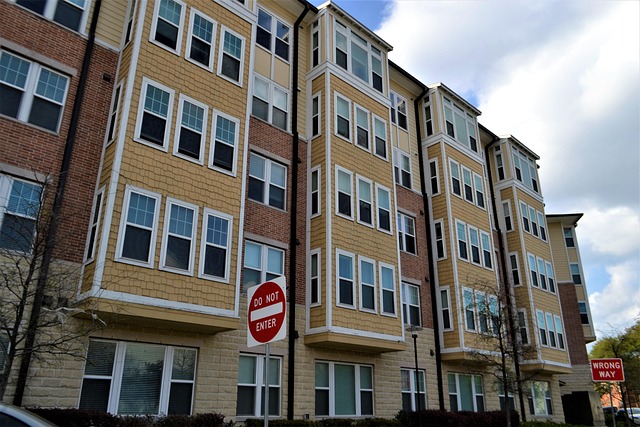
Cycling promotes a low-impact way to commute, reducing emissions and improving personal health, but it can feel incomplete if our living spaces are still energy inefficient. That’s where the passive house steps in. A passive house is more than an architectural style; it’s a movement in energy-conscious design that focuses heavily on insulation, airtightness, and heat recovery to minimize the need for traditional heating and cooling. These homes consume up to 90% less heating energy than a typical building and make use of renewable energy sources, aligning perfectly with the goals of sustainable development.
Now imagine living in a community where you cycle to work, your children bike to school, and at the end of the day, you return to a home that doesn’t add to carbon emissions but instead supports a healthier planet. The beauty of the passive house concept is that it complements an eco-conscious lifestyle. Just as each turn of the bicycle pedal contributes to a cleaner environment, each aspect of passive house design—triple-glazed windows, super-insulated walls, and thoughtful orientation—is a step toward a more sustainable tomorrow.
Green technologies are at the heart of both cycling infrastructure and passive homes. Just as smart cities are adding bike lanes and public bike-sharing systems, they’re also encouraging urban development projects that uphold passive building standards. Whether it’s integrating solar panels or natural ventilation systems, these technologies reduce energy expenses and promote environmental preservation—things cyclists value deeply. After all, isn’t cycling often the first conscious lifestyle change people make for the planet? Adopting a passive house becomes the next logical step.
Both cycling and passive house living lead to enhanced well-being. Lower stress levels, cleaner air, and reduced utility costs translate into better quality of life. Moreover, these actions build community. Sustainable neighborhoods often feature shared spaces, connected biking paths, and homes designed to stay cool without overburdening the power grid. The passive house and cycling aren’t just disconnected choices—they reflect a unified commitment to treading lightly on Earth’s resources while lifting one another to higher standards of living.
The road to carbon neutrality is not linear, but it is increasingly paved by choices that honor both our planet and our health. Pairing the benefits of cycling with the energy efficiency of passive house designs isn’t just about reducing our ecological footprint—it’s about actively shaping a greener, more resilient future for the next generation.