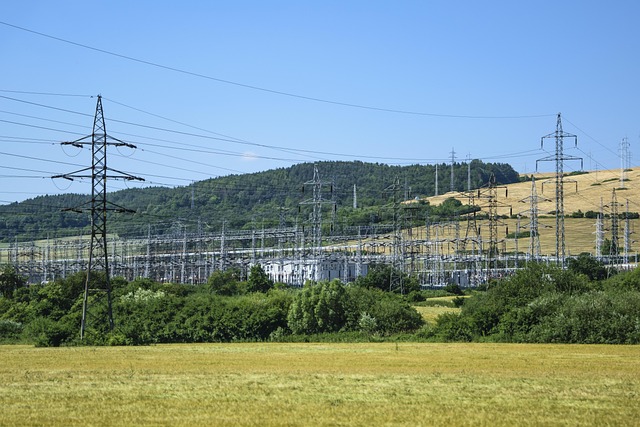

Energy distribution, the process by which electricity and other forms of power are transmitted from production sites to end users, sits at the heart of modern sustainable development. Its design and operation influence how effectively societies can reduce greenhouse gas emissions, protect ecosystems, and achieve economic resilience. By examining the evolving landscape of power grids, renewable integration, and demand‑side management, we can see how energy distribution acts as both a catalyst and a barometer for progress toward a carbon‑neutral future.
The Role of Energy Distribution in Sustainable Development
While much attention is paid to the generation of clean energy, the distribution network is equally vital. It must transport power from intermittent renewable sources—solar panels on rooftops, offshore wind farms, and hydropower plants—to consumers with minimal loss. Advanced grid technologies, such as microgrids and smart meters, enable this transformation by allowing two‑way flow, dynamic load balancing, and rapid fault isolation. In this way, energy distribution becomes a bridge between the promise of green technologies and the reality of everyday consumption.
- Enhanced grid resilience against climate‑related disruptions.
- Facilitation of decentralized renewable generation.
- Improved transparency and accountability in energy consumption.
Reducing Ecological Footprint Through Smart Distribution
The ecological footprint of an energy system is largely determined by transmission losses, infrastructure waste, and the carbon intensity of distributed generation. Smart distribution networks can mitigate these impacts by employing adaptive voltage control, power flow optimization, and real‑time monitoring. For instance, variable renewable generation can be matched with storage units that discharge during peak demand, reducing the need for fossil‑fuel backup plants. As a result, the overall carbon intensity of delivered electricity declines, contributing directly to lower greenhouse gas emissions.
“The efficiency of distribution is a silent hero in the fight against climate change.” – Green Energy Institute
Innovations in Green Technologies
Emerging technologies are reshaping how energy distribution operates. High‑capacity underground cables reduce visual impact and maintenance costs, while high‑voltage direct current (HVDC) lines allow longer‑distance transmission with lower losses. Demand‑response platforms empower consumers to shift usage to off‑peak periods, smoothing demand curves and allowing more renewable penetration. Energy‑storage systems—batteries, flywheels, and compressed‑air units—are increasingly integrated at both grid and distribution levels, ensuring reliability without relying on carbon‑intensive peaker plants.
- HVDC interconnectors for long‑haul renewable transfer.
- Smart grid software for automated fault detection.
- Community‑scale battery clusters for local resilience.
Carbon Neutral Goals and Energy Distribution
Achieving carbon neutrality requires that the entire life cycle of electricity—from generation to delivery—be low‑carbon. Energy distribution plays a pivotal role by enabling higher penetration of renewables, reducing reliance on fossil‑fuel dispatch, and minimizing transmission losses. Policies such as carbon pricing, grid‑scale renewable incentives, and mandatory energy efficiency standards create market conditions that prioritize low‑carbon distribution infrastructure. As more cities commit to net‑zero targets, the pressure on distribution networks to adapt becomes a clear, measurable path toward these ambitions.
Challenges and Policy Frameworks
Despite the clear benefits, scaling energy distribution to meet sustainability goals faces several obstacles. Aging infrastructure, limited grid capacity in densely populated areas, and regulatory fragmentation can delay the deployment of modern solutions. Financing remains a barrier; large capital investments are required for grid upgrades, yet returns are often distributed unevenly across stakeholders. Effective policy frameworks—such as tariff reforms, public‑private partnership models, and grid‑code harmonization—are essential to align incentives, reduce transaction costs, and accelerate deployment.
Case Studies and Best Practices
Several regions demonstrate how thoughtful distribution strategies drive sustainable outcomes. In Germany, the “Energiewende” initiative linked grid upgrades with renewable incentives, resulting in a 40% share of renewables in final consumption. In California, the integration of distributed generation and battery storage has lowered peak demand by 10%, cutting the need for new fossil‑fuel plants. Singapore’s Smart Energy Masterplan leverages AI‑driven grid analytics to predict outages and optimize demand‑side response, ensuring reliability while maintaining carbon‑neutral ambitions.
Future Outlook
The trajectory for energy distribution points toward increasingly decentralized, resilient, and data‑rich networks. Advances in machine learning will allow predictive maintenance, reducing downtime and waste. Blockchain‑based micro‑transactions can democratize energy trade, allowing consumers to sell excess solar power directly to neighbors. Moreover, the convergence of electric vehicles with charging infrastructure offers an opportunity to transform transportation loads into flexible, grid‑friendly assets. All these developments will further tighten the link between energy distribution and sustainable development.
Conclusion
Energy distribution is no longer a passive conduit; it has become an active engine of sustainable development. By harnessing smart technologies, policy innovation, and collaborative financing, distribution networks can significantly shrink ecological footprints, support carbon‑neutral pathways, and ensure that green energy’s potential is fully realized. The future of energy distribution will define how societies balance growth with stewardship, making it a pivotal focus for researchers, policymakers, and communities alike.