

When we think about the future of our planet, the phrase “energy‑conscious energy rationalization” comes to mind as more than just a buzzword. It is an approach that blends thoughtful consumption with innovative technology, turning the simple act of powering a lightbulb into a powerful statement about sustainability and ecological stewardship. By consciously rationing the energy we use and substituting it with greener alternatives, we can dramatically shrink our ecological footprint and pave the way toward a truly carbon‑neutral world.
Understanding Energy‑Conscious Energy Rationalization
Energy‑conscious energy rationalization is a multi‑layered strategy. It starts with awareness: knowing how much energy our daily habits consume. Then it moves to efficiency: optimizing existing appliances and systems. Finally, it embraces innovation: adopting new green technologies that reduce or eliminate emissions. Each layer builds upon the other, creating a holistic framework that is both practical and transformative.
- Awareness: Tracking electricity usage with smart meters and mobile apps.
- Efficiency: Replacing incandescent bulbs with LED fixtures and using programmable thermostats.
- Innovation: Installing solar PV arrays, wind turbines, or geothermal systems.
The Role of Sustainable Development
Sustainable development is more than a policy headline; it is a philosophy that balances human progress with the health of ecosystems. In the context of energy‑conscious energy rationalization, sustainable development means integrating renewable resources into everyday life while ensuring that growth does not outpace the planet’s capacity to regenerate. This delicate balance is achieved through careful planning, community engagement, and continuous learning.
“Sustainability is not a destination, but a continuous journey toward harmony between human needs and natural systems.” – Environmental Institute
Quantifying the Ecological Footprint
Every kilowatt-hour of electricity generated from fossil fuels translates into a measurable carbon debt. The ecological footprint is a tool that helps quantify this debt by comparing the demand for resources with what Earth can sustainably provide. By applying energy‑conscious energy rationalization, households and businesses can reduce their footprint in two key ways:
- Lowering Consumption: Simple behavioral changes—like turning off lights when leaving a room or adjusting heating schedules—cut energy use and associated emissions.
- Switching to Low‑Carbon Sources: Replacing grid electricity with renewables such as solar, wind, or biomass dramatically reduces the carbon intensity of the energy consumed.
When both approaches are combined, the reduction is exponential rather than linear, illustrating the power of synergy in sustainable practices.
Green Technologies Driving the Transition
Innovation is the engine that powers energy‑conscious energy rationalization. Several green technologies are already reshaping the way we generate, store, and distribute power.
- Solar Photovoltaics: Photovoltaic panels convert sunlight directly into electricity, with efficiency improvements reaching over 23% in commercial installations.
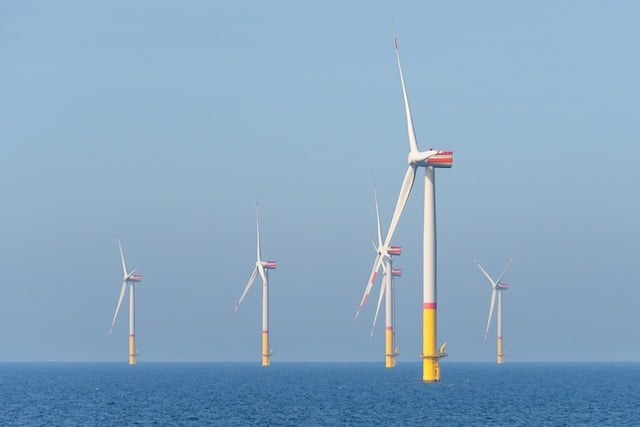
- Wind Energy: Onshore and offshore turbines harness kinetic energy from air currents, providing a scalable source that can power entire communities.
- Energy Storage: Battery systems such as lithium‑ion, flow batteries, and even emerging solid‑state designs store surplus renewable energy for use during low‑generation periods.
- Smart Grids: These digitalized networks balance supply and demand in real time, reducing waste and enhancing reliability.
- Heat Pumps: Ground‑source or air‑source heat pumps extract thermal energy from the environment, delivering heating and cooling with far less electricity than conventional systems.
Each technology brings us closer to the goal of a carbon‑neutral future, but the real impact comes from how they are deployed within a broader strategy of energy rationalization.
Policy and Incentives as Catalysts
Governments worldwide are recognizing that energy‑conscious energy rationalization is not just an individual responsibility but a national priority. Policy instruments such as feed‑in tariffs, tax credits, and rebates lower the barrier to adoption of green technologies. Additionally, regulatory frameworks that set minimum energy‑efficiency standards for appliances and buildings create a market baseline that pushes manufacturers toward greener products.
When policy aligns with technology, the ripple effect is profound: more consumers invest in renewables, businesses optimize operations, and communities transition to resilient energy systems.
Case Studies: From Theory to Practice
Across the globe, we can spot tangible examples of energy‑conscious energy rationalization in action. Here are three illustrative scenarios that demonstrate how the concept translates into measurable outcomes.
- Urban Residential Buildings: A high‑rise apartment complex in Copenhagen retrofitted all units with LED lighting, smart thermostats, and a building‑wide solar panel array. Energy consumption dropped by 40%, and the complex achieved net‑zero status within three years.
- Industrial Facilities: A textile factory in India installed a combined solar–wind microgrid and a battery storage system. Production continuity improved, and the plant’s carbon emissions fell by 25% annually.
- Rural Electrification Projects: In Kenya, community solar hubs powered local clinics, schools, and businesses. By harnessing solar energy, the village eliminated reliance on diesel generators, reducing greenhouse‑gas emissions and saving thousands of dollars in fuel costs.
These stories illustrate the versatility of energy‑conscious energy rationalization, showing that the concept can scale from small households to large industrial systems.
Education and Behavioral Change
While technology is essential, the human element cannot be overlooked. Empowering individuals with knowledge about how their choices affect the planet is critical. Educational campaigns, workshops, and real‑time feedback through smart meters help people internalize the principles of energy rationalization.
When people see the direct impact of turning off a device or shifting a thermostat setting, the motivation to adopt sustainable habits grows. This behavioral shift amplifies the efficiency gains that come from green technologies, creating a virtuous cycle.
The Path Ahead
Energy‑conscious energy rationalization is not a static goal; it is an evolving practice that adapts to new scientific findings, market trends, and societal needs. Looking forward, several emerging developments hold promise:
- Artificial Intelligence: AI can optimize grid operations and predict peak demand, enabling more precise dispatch of renewable resources.
- Hydrogen Economy: Clean hydrogen produced from electrolysis can serve as a low‑carbon fuel for sectors that are hard to electrify.
- Carbon Capture and Utilization (CCU): Technologies that sequester CO₂ and repurpose it into products can bridge the gap between decarbonization and existing fossil‑fuel infrastructure.
- Circular Economy Practices: Recycling and refurbishing batteries and electronics reduces resource extraction and landfill waste.
Each of these pathways complements the core tenet of energy‑conscious energy rationalization: making intentional, data‑driven decisions about how we consume and produce energy.
Conclusion: A Collective Commitment
The promise of a carbon‑neutral future hinges on our collective commitment to energy‑conscious energy rationalization. By combining mindful consumption, cutting‑edge green technologies, supportive policy, and continuous education, we can reduce our ecological footprint and foster a resilient, sustainable society.
As each of us takes small, informed steps—whether it’s installing a solar panel, adjusting a thermostat, or advocating for stronger energy regulations—we contribute to a larger narrative of transformation. The journey is long, but the destination is clear: a world where our energy needs are met without compromising the planet’s health for future generations.