
In the quest for a carbon‑neutral future, clean energy has emerged as the cornerstone of sustainable development. By harnessing the sun, wind, water, and even biological processes, modern technologies can replace fossil fuels and dramatically lower the ecological footprint of industrial and residential societies. This article explores how cutting‑edge innovations in renewable energy, energy storage, and smart infrastructure are reshaping the global energy landscape, enabling a transition that balances economic growth with planetary stewardship.
The Growing Imperative for Clean Energy
Human activity has driven atmospheric carbon dioxide concentrations to levels that no single species can tolerate. According to the latest satellite data, the planet’s carbon budget is shrinking at a rate that threatens critical ecosystems. Clean energy solutions—solar photovoltaics, offshore wind turbines, advanced biofuels, and geothermal systems—offer a pragmatic pathway to mitigate emissions. They not only reduce greenhouse gas output but also improve air quality, decrease noise pollution, and preserve biodiversity by freeing land and water resources from coal mining, oil drilling, and other extractive industries.
- Global energy consumption is projected to rise by 30 % over the next two decades.
- Renewable energy accounts for more than 30 % of global electricity generation as of 2023.
- Carbon neutrality by 2050 is increasingly recognized as a realistic target if adoption of clean energy continues at its current pace.
Technological Breakthroughs Driving the Shift
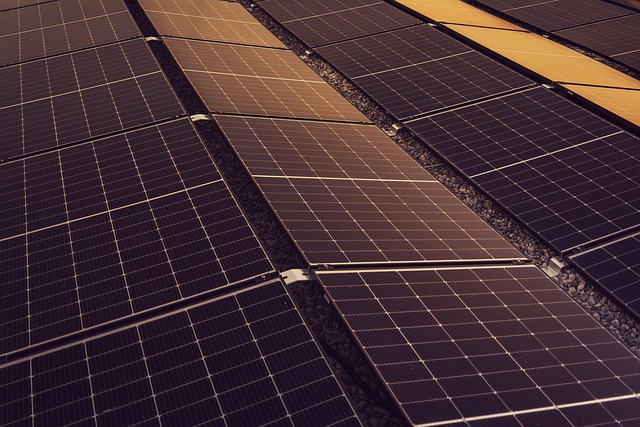
Several recent breakthroughs have amplified the effectiveness and affordability of clean energy. Photovoltaic cells have reached efficiencies above 25 % for commercial modules, while perovskite‑based cells promise even higher gains once stability challenges are overcome. Meanwhile, offshore wind farms are now deploying floating turbines that can operate in deeper waters, expanding viable sites by thousands of square kilometers. Energy storage innovations—solid‑state batteries, flow batteries, and even compressed air systems—are bridging the intermittency gap and allowing utilities to store surplus renewable generation for later use.
“The fusion of advanced materials and AI‑driven system optimization is redefining how we deploy and manage clean energy assets,” notes Dr. Elena Morales, a leading researcher in renewable integration.
Reducing Ecological Footprints Through Smart Infrastructure
Beyond generating power, clean energy technologies can be embedded into the fabric of modern infrastructure. Smart grids, powered by high‑speed communication networks, dynamically balance supply and demand, reducing wasted energy and enabling peak load shaving. Buildings outfitted with smart HVAC controls, daylight harvesting windows, and net‑zero heating systems cut consumption while improving occupant comfort. Electrified transportation—electric buses, cars, and freight—leverages clean energy from charging stations, often powered by local solar arrays, to cut emissions from the transportation sector by up to 90 % compared with internal combustion engines.
Case Studies Illustrating Impact
Numerous cities and regions have implemented clean energy projects that provide tangible ecological benefits. In Reykjavik, Iceland, geothermal and hydroelectric plants supply nearly all electricity and heating needs, keeping the city’s carbon emissions below 0.05 kg CO₂e per capita. Meanwhile, the city of Freiburg, Germany, operates a solar district heating system that powers 50 % of its municipal buildings. In the United States, the state of California’s 2023 renewable portfolio standard requires 100 % of electricity to come from clean sources by 2045, a target supported by an expanding network of solar farms and battery storage.
- Renewable energy accounted for 61 % of California’s electricity generation in 2023.
- Reykjavik’s geothermal plants produce over 2 GW of clean power, enough to power a small city.
- The Freiburg solar district heating system supplies 50 % of the city’s heating demand.
Policy and Economic Drivers
Government incentives, carbon pricing mechanisms, and international agreements such as the Paris Accord are catalyzing clean energy adoption. Feed‑in tariffs and tax credits lower the barrier to entry for renewable projects, while investment in research and development fuels continuous improvement. Market dynamics are also shifting: battery costs have fallen by more than 80 % in the last decade, making storage a cost‑effective complement to intermittent generation. As renewable technology becomes more competitive, it spurs job creation in manufacturing, installation, and maintenance, offering a powerful counterbalance to job losses in traditional fossil fuel industries.
Challenges and Pathways Forward
Despite these gains, several challenges persist. Grid integration of high levels of renewable penetration requires extensive upgrades and robust forecasting tools. Storage capacity must scale to match the growing share of renewables. Supply chain constraints, particularly for rare earth elements used in batteries, need to be diversified through recycling and alternative materials. Addressing these hurdles will require coordinated action between policymakers, industry, and academia, ensuring that the transition to clean energy remains equitable and inclusive.
Future Outlook: Toward a Carbon‑Neutral World
Looking ahead, the trajectory of clean energy innovation suggests a future where the ecological footprint of human activity is drastically reduced. Emerging technologies such as green hydrogen, which uses excess renewable electricity to split water into hydrogen and oxygen, can decarbonize sectors that are difficult to electrify, including heavy industry and aviation. Artificial photosynthesis research promises to convert solar energy directly into liquid fuels, potentially revolutionizing the fuel economy. Coupled with circular economy principles—reusing, recycling, and repurposing materials—the clean energy ecosystem can close loops, minimizing waste and conserving resources.
Conclusion
Clean energy is no longer a visionary concept but an actionable reality that can reconcile economic development with ecological stewardship. By deploying innovative renewable technologies, smart infrastructure, supportive policies, and resilient supply chains, societies can achieve carbon neutrality while preserving natural systems. The collective effort of governments, businesses, scientists, and citizens will dictate the pace and success of this transformation, but the path is clear: a cleaner, more sustainable future rests in the power we harness from the sun, wind, water, and earth.