
There is something almost meditative about the repetitive rhythm of a bicycle chain gliding over its cogs. Each revolution is an invitation to re-imagine how we move, how we consume, and how we care for the planet. In the Cycle community, the conversation has shifted from mere speed and aerodynamics to the wider idea of resource efficiency; we want our rides to be lighter on both our legs and the Earth.
Pedaling toward Sustainable Development
When we speak of sustainable development, we picture cities redesigned around bikes, not cars. Picture morning commutes where carbon neutral mobility lanes intersect with green roofs that capture rainwater for urban gardens. A single bike trip might seem small, yet every ride is a deliberate vote for an economy that prizes longevity over disposability. The frames we choose, the gear we buy, and the paths we advocate for all reflect our commitment to using materials wisely, extending product lifespans, and adopting circular manufacturing models that keep valuable metals, rubber, and plastics in continuous motion.
Shrinking the Ecological Footprint with Every Ride
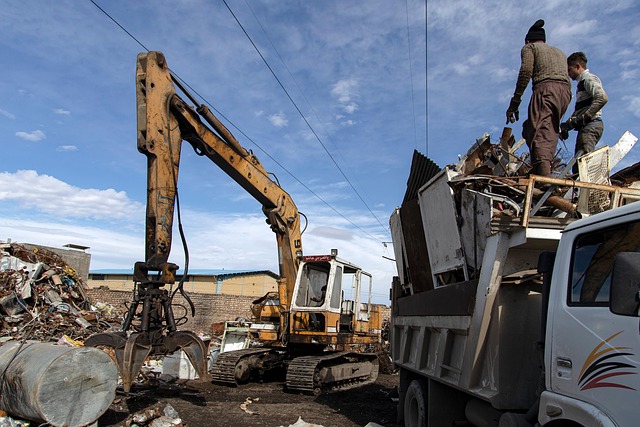
The ecological footprint of cycling is already lower than almost any motorized mode of transport, but that doesn’t mean we are complacent. Consider the life cycle of a traditional aluminium frame: mining bauxite, smelting, shaping, finishing, shipping. Each stage involves energy. By demanding recycled alloys or bio-based composites, cyclists send a market signal that extraction-heavy processes are no longer acceptable. Every crank forward becomes a micro-gesture toward a macro-impact: less water use, fewer emissions, and a smaller slice of Earth disturbed for raw materials.
Green Technologies on Two Wheels
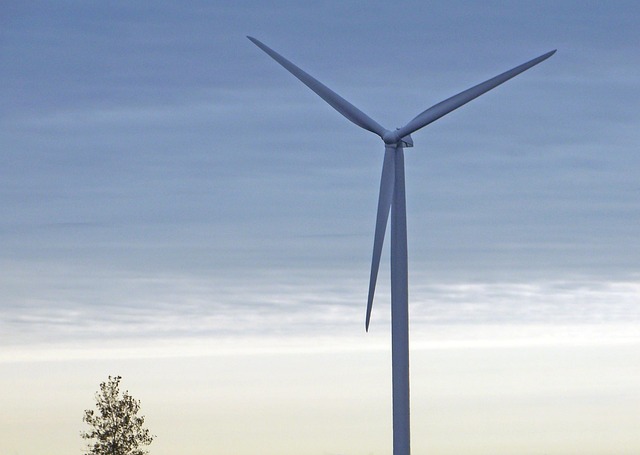
Green technologies have begun to infiltrate even the most familiar bike components. Regenerative braking systems on e-bikes capture kinetic energy on descents, feeding it back into the battery and extending range without additional charge cycles. Solar-integrated panniers top up GPS units and lights while parked. Even the humble tire is experiencing a revolution, with natural rubber compounds blended with recycled fibers to reduce petrochemical reliance. By weaving resource efficiency into design briefs, manufacturers are converting the bicycle into a rolling showcase of clean tech innovation.
Riding into a Carbon Neutral Future
Achieving carbon neutrality is not merely about offsetting; it is about eliminating unnecessary emissions at the source. Local frame builders now boast emissions inventories, powering workshops through on-site photovoltaics and sourcing steel tubing from suppliers committed to green hydrogen. Community organizers host “zero-waste tune-up days,” where worn chains and cables are collected for metallurgy reprocessing instead of landfill disposal. Cyclists, often data-driven by nature, track their avoided CO₂ via apps that translate kilometers ridden into kilograms of emissions prevented, creating a personal ledger of planetary benefit.
To cycle is to participate in a living system of motion and responsibility. By locking our commitments to resource efficiency, refining our ecological footprint, embracing green technologies, and aiming squarely for carbon neutral practices, we ensure that every turn of the wheel carries not only ourselves forward but also the collective ambition for a cleaner, kinder world.