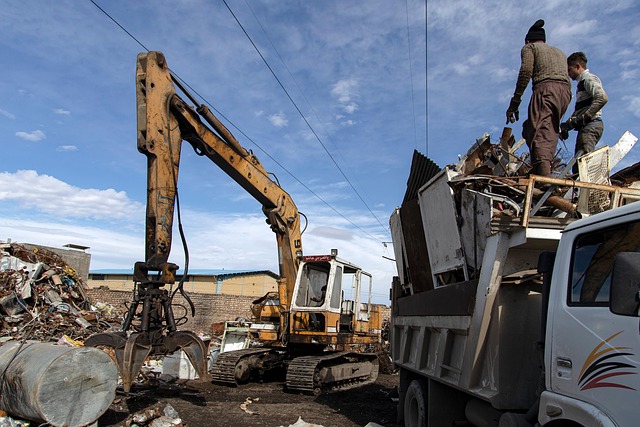


In today’s rapidly evolving environmental landscape, the concept of social responsibility has become a guiding principle that shapes how businesses, governments, and communities pursue sustainable development. At its core, social responsibility demands that actors consider the long‑term health of the planet while meeting present needs. When this ethos converges with advances in green technologies, the path to a carbon‑neutral future becomes not only feasible but inevitable.
The Foundations of a Carbon‑Neutral Society
Carbon neutrality is not a mere slogan; it is a measurable target requiring the balance of greenhouse gas emissions with the removal or offsetting of an equivalent amount. Achieving this equilibrium relies on reducing the ecological footprint of every sector, from manufacturing and transportation to agriculture and housing. The social responsibility framework urges stakeholders to act beyond profit motives, encouraging investment in clean energy, efficient infrastructure, and responsible consumption.
Key Pillars of Sustainable Development
Four interlinked pillars form the backbone of sustainable development in a carbon‑neutral era:
- Energy Transition: Shifting from fossil fuels to renewables such as solar, wind, and hydroelectric power.
- Circular Economy: Designing products for reuse, refurbishment, and recycling to minimize waste.
- Equitable Growth: Ensuring that environmental benefits reach all communities, particularly those historically marginalized.
- Resilience Building: Strengthening ecosystems and infrastructure to withstand climate impacts.
Green Technologies: The Engine of Change
Modern green technologies provide the tools necessary to transform ambition into action. Innovations such as advanced battery storage, carbon capture and storage (CCS), and smart grids enable economies to decouple growth from emissions. For example, high‑efficiency photovoltaic cells now generate electricity at lower costs and with higher durability than ever before, making solar power a cornerstone of many national renewable portfolios.
Meanwhile, electric mobility is reshaping urban transport. Public buses and private vehicles powered by lithium‑ion batteries or hydrogen fuel cells significantly reduce the atmospheric release of CO₂ and other pollutants. Coupled with policy incentives, these technologies accelerate the transition toward carbon‑neutral transportation networks.
Carbon Capture and Storage: A Practical Solution
While renewables are essential, certain industries—steel, cement, and chemicals—continue to rely on processes that emit large amounts of CO₂. Carbon capture and storage offers a pragmatic approach to mitigate these emissions. By extracting CO₂ directly from industrial flue gases and injecting it into deep geological formations, CCS creates a closed loop that prevents greenhouse gases from entering the atmosphere.
“Carbon capture is not a silver bullet, but it is a necessary bridge while we scale up renewable energy and electrify all sectors,” says Dr. Elena Martinez, a climate policy researcher.
Social responsibility mandates that companies invest in CCS to demonstrate leadership in emissions reduction and to build trust with stakeholders who demand measurable progress.
Measuring the Ecological Footprint
Quantifying an organization’s ecological footprint provides a baseline for setting realistic targets. This metric encompasses direct energy use, indirect emissions from supply chains, and land use impacts. The life‑cycle assessment (LCA) method evaluates the environmental burden of products or services from cradle to grave, ensuring that decisions are grounded in evidence.
Once the footprint is known, companies can implement carbon‑neutral strategies such as:
- Adopting renewable energy certificates (RECs) to match electricity consumption with renewable generation.
- Improving operational efficiency through automation, waste reduction, and resource optimization.
- Investing in afforestation and reforestation projects that sequester atmospheric CO₂.
Corporate Social Responsibility and the Green Transition
Corporate social responsibility (CSR) frameworks have evolved beyond philanthropy and compliance. Today, CSR is integral to business strategy, influencing product design, supply chain management, and stakeholder engagement. By embedding sustainability metrics into performance evaluations, firms signal a commitment to long‑term resilience.
Employees, investors, and consumers increasingly demand that companies act responsibly. Transparent reporting on emissions, energy use, and sustainability initiatives helps firms differentiate themselves in a competitive market while contributing to collective climate goals.
Policy Instruments that Encourage Green Innovation
Governments play a pivotal role in aligning social responsibility with national climate ambitions. Policy tools such as carbon pricing, renewable portfolio standards, and green public procurement incentivize the adoption of low‑carbon technologies.
Carbon pricing mechanisms—including taxes and cap‑and‑trade systems—internalize the environmental cost of emissions, making carbon‑neutral options more attractive. Renewable portfolio standards mandate that a certain percentage of electricity comes from clean sources, driving infrastructure investment.
Green public procurement extends this principle to the public sector, ensuring that government contracts prioritize low‑impact products and services, thereby amplifying demand for sustainable solutions.
Community‑Based Initiatives and Social Equity
For a truly inclusive transition, community‑driven projects must receive attention. Examples include local solar cooperatives, community wind farms, and micro‑grids that provide reliable power to underserved areas.
Social responsibility in this context means:
- Engaging residents in decision‑making processes.
- Ensuring that benefits—such as job creation and reduced energy bills—are shared equitably.
- Protecting cultural heritage while pursuing ecological improvements.
These initiatives demonstrate that sustainable development is not a top‑down directive but a collaborative effort that respects the rights and aspirations of all citizens.
Innovation Hubs: Accelerating Green Tech Deployment
Innovation hubs—incubators, accelerators, and research parks—serve as catalysts for developing and scaling green technologies. By providing funding, mentorship, and access to testing facilities, these hubs help startups overcome early‑stage barriers.
Case in point: A university‑run clean‑tech accelerator recently launched a program supporting entrepreneurs who develop carbon‑neutral packaging solutions. Within a year, the program’s participants secured investment and partnered with major retailers to replace conventional plastics with biodegradable alternatives.
Such ecosystems exemplify how social responsibility can be embedded in the lifecycle of new products, from conception to market adoption.
Financing the Green Future
Mobilizing capital is a cornerstone of the transition to a carbon‑neutral world. Green bonds, sustainability‑linked loans, and impact investing vehicles channel funds into projects that reduce emissions and enhance resilience.
Financial institutions that adopt rigorous environmental, social, and governance (ESG) criteria demonstrate a commitment to responsible stewardship. By linking loan terms to measurable sustainability milestones, banks create financial incentives for companies to reduce their ecological footprint.
Investors, too, are aligning portfolios with climate goals, recognizing that long‑term returns are increasingly tied to environmental performance.
Education and Capacity Building
Empowering individuals with knowledge about climate science, renewable energy, and sustainable practices is essential for sustaining momentum. Educational programs at all levels—schools, universities, vocational training centers—must integrate environmental literacy into curricula.
Workshops, certifications, and public awareness campaigns help professionals understand the technical aspects of green tech and the social responsibilities associated with their roles.
When people are informed, they become active participants in a carbon‑neutral economy, whether by choosing sustainable products, advocating for policy changes, or innovating new solutions.
Future Outlook: A Symbiosis of Responsibility and Technology
The trajectory toward a carbon‑neutral future hinges on the symbiosis between social responsibility and technological progress. As green innovations mature, their deployment will become increasingly cost‑effective, while societal expectations for responsible action will keep the momentum alive.
Key trends shaping this future include:
- Expansion of electric vehicle fleets and the development of ultra‑fast charging infrastructure.
- Growth of digital twins and AI‑driven optimization for energy systems.
- Scaling of carbon capture, utilization, and storage (CCUS) projects in heavy industries.
- Widespread adoption of circular economy principles across supply chains.
Each of these trends requires a foundation of social responsibility—ethical governance, transparent reporting, and inclusive stakeholder engagement—to ensure that the benefits of technological advancement are shared equitably.
Conclusion: Collective Action for a Sustainable Tomorrow
Social responsibility is the moral compass guiding humanity toward sustainable development, an ecological footprint that respects planetary limits, and green technologies that render the climate crisis manageable. Carbon neutrality is no longer a distant aspiration; it is an achievable target when governments, businesses, communities, and individuals commit to responsible action.
By integrating renewable energy, circular design, equitable policies, and advanced technologies into every layer of society, we can create a resilient, low‑carbon world that preserves natural resources for future generations. The journey demands relentless innovation, robust collaboration, and an unwavering sense of stewardship—qualities that define the spirit of social responsibility in the 21st century.