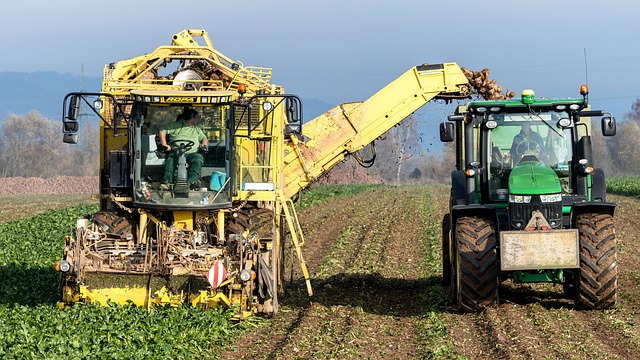

Imagine walking through fields where the soft hum you hear isn’t a tractor spewing fumes, but an electric drone mapping soil moisture with solar-charged batteries. The rows of crops look familiar, yet every square meter is part of a carefully designed cycle—sunlight into energy, water into vapor, carbon into biomass, and data back into the farmer’s dashboard. This is the everyday reality emerging from green agricultural technologies, a movement that is changing farming from a linear, resource-hungry activity into a circular practice tuned to the rhythms of the planet.
The Pulse of Sustainable Development
At the heart of sustainable development lies a simple promise: meet today’s needs without handicapping future generations. Agriculture, which consumes 70 % of the world’s freshwater and occupies half of the habitable land on Earth, has long been both villain and victim in the sustainability narrative. With green agricultural technologies, however, the sector is turning that story around. Solar-powered irrigation pumps replace diesel engines, precision sensors prevent over-fertilization, and AI-guided crop rotations maximize soil fertility. Every innovation is a deliberate step toward closing the resource cycle, ensuring inputs become outputs that feed back into the system rather than drift off as pollution.
Calculating—and Shrinking—Our Ecological Footprint
We all carry an ecological footprint, but farmers feel its weight daily. Traditional plowing releases stored carbon; overwatering depletes aquifers; pesticides leak into rivers. By embedding sensors in fields and connecting them to satellite data, farmers can now read their footprint in real time. The numbers tell a story: a 30 % reduction in water use thanks to drip systems, a 40 % drop in nitrogen runoff through variable-rate spraying, and a 50 % cut in fuel consumption with autonomous electric tractors. These metrics transform sustainability from an abstract goal into a tangible, trackable journey—one that anyone who eats (that’s all of us) can identify with.
Inside the Toolbox of Green Technologies
- Vertical Farming: By stacking crops in climate-controlled warehouses illuminated with energy-efficient LEDs, we shorten supply chains and capture waste heat, keeping the nutrient cycle tight and local.
- Biochar Production: Crop residues are baked in low-oxygen chambers, creating a stable form of carbon that, when mixed back into soil, locks away CO₂ for centuries while improving water retention.
- Agro-photovoltaics: Solar panels rise above low-lying crops, creating dappled shade that conserves moisture while generating renewable energy—an elegant two-layer cycle of food and electrons.
- Blockchain Traceability: Every seed, fertilizer pellet, and kilowatt is logged on an immutable ledger, turning the entire farm into a transparent loop where waste and inefficiency can’t hide.
The Road to Carbon Neutral
Carbon neutrality is not a distant dream; it is a measurable milestone on the farming calendar. A holistic life-cycle assessment weighs emissions from seed production to supermarket shelf. Where carbon can’t be eliminated—think fermentation gases from silage—offsets like regenerative cover crops step in. When we add renewable energy generation, methane-capturing biodigesters, and electric logistics fleets, the ledger often shows a net-negative figure: farms that absorb more carbon than they emit. The beauty of green agricultural technologies is that they align perfectly with the natural carbon cycle, turning farmland into living carbon banks.
Joining the Cycle
Whether you are a consumer scanning a QR code on your lettuce, a policy-maker drafting incentives, or a farmer comparing drone imagery of last week’s rainfall, you’re part of a greater loop. The category that binds us is “Cycle”: nutrient cycles, water cycles, data cycles, and economic cycles intertwining to keep ecosystems and communities resilient. Each time we choose produce from farms that invest in green agricultural technologies, we reinforce that loop, shrinking our ecological footprint and nurturing sustainable development. The revolution in agriculture is not just happening in fields; it’s happening on our plates, our energy grids, and the climate dashboards that chart humanity’s path to a carbon-neutral future.