
Modern societies are increasingly aware that the planet’s ecological limits are being pressed to their maximum. The concept of a sustainable development trajectory requires a fundamental shift in how energy is generated, distributed, and consumed. Central to this transformation is the adoption of clean energy systems that reduce carbon emissions, conserve resources, and protect biodiversity while still providing reliable power to meet the growing demands of industrial, commercial, and residential sectors.
The Ecological Footprint of Conventional Energy
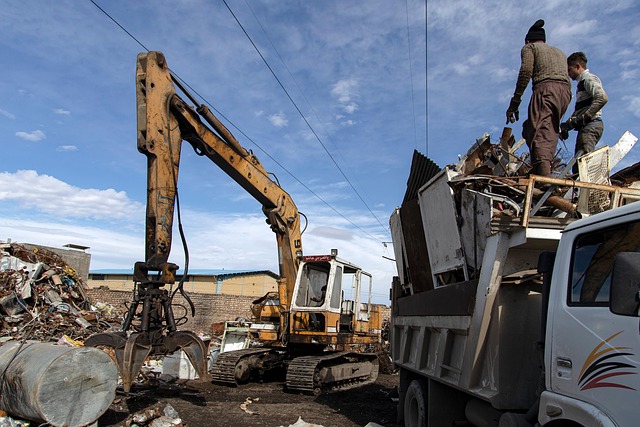
Traditional fossil fuel extraction and combustion release vast amounts of carbon dioxide, methane, and other pollutants that accelerate climate change and degrade ecosystems. The life‑cycle emissions of coal, oil, and natural gas far exceed those of renewable sources. Moreover, the extraction processes themselves, from mining to drilling, disturb land and water resources, fragment habitats, and introduce hazardous chemicals into the environment. This cumulative impact is reflected in the ecological footprint—a metric that compares human resource consumption with the planet’s regenerative capacity. In many developed regions, the ecological footprint far exceeds the local biocapacity, resulting in environmental debt and resource scarcity.
Clean Energy as a Pathway to Carbon Neutrality
Clean energy encompasses a spectrum of low‑carbon technologies that either generate electricity with minimal emissions or capture and store greenhouse gases. Solar photovoltaics, wind turbines, hydroelectric dams, geothermal heat pumps, and bioenergy with carbon capture are among the most prominent options. Each technology brings distinct advantages and challenges, yet collectively they form a robust portfolio that can displace fossil fuels across multiple sectors.
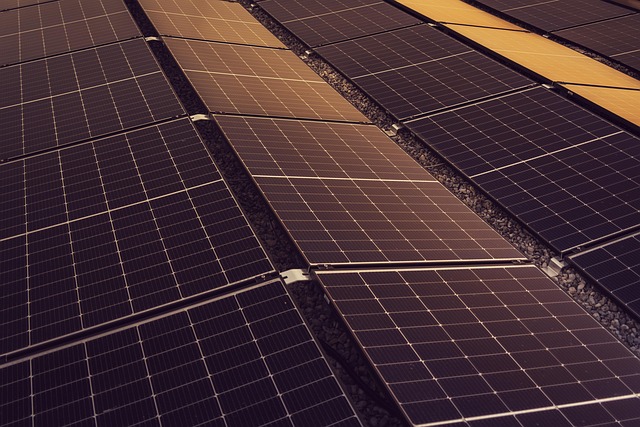
- Solar Power: Photovoltaic panels convert sunlight directly into electricity, with installations ranging from rooftop systems to large solar farms. The technology is scalable, increasingly affordable, and produces no operational emissions.
- Wind Energy: Offshore and onshore turbines harness wind’s kinetic energy. While wind farms occupy land or sea areas, their carbon intensity is comparable to the lowest‑emission energy sources.
- Hydropower: Traditional dams generate electricity through water flow, whereas run‑of‑river projects reduce ecological disruption. Hydropower remains one of the most reliable sources of renewable energy.
- Geothermal: By tapping underground heat, geothermal plants deliver baseload power with negligible emissions.
- Bioenergy with Carbon Capture: Biomass combustion or fermentation can produce heat, electricity, or bioproducts, while carbon capture technologies trap CO₂ for storage or utilization.
Technological Advances Accelerating Adoption
The last decade has seen significant progress in clean energy technologies, driven by research, innovation, and economies of scale. For instance, photovoltaic efficiency has risen from around 15% in the early 2010s to over 23% today, while perovskite and tandem cells promise even higher efficiencies. Wind turbine blade designs have become more aerodynamic and longer, allowing turbines to reach higher altitudes where wind speeds are steadier. Battery storage technologies—particularly lithium‑ion and emerging solid‑state chemistries—have improved capacity, lifespan, and safety, making grid stabilization and off‑grid solutions more feasible.
“The pace of renewable technology development is no longer incremental; it is transformative,” says Dr. Maya Chen, a leading energy systems researcher.
Policy and Economic Catalysts
Transitioning to clean energy requires supportive policies that align economic incentives with environmental goals. Carbon pricing mechanisms—such as taxes or cap‑and‑trade systems—internalize the social cost of emissions, making renewable options more competitive. Subsidies and tax credits for renewable installations lower upfront costs, while feed‑in tariffs guarantee a market for generated electricity. Public investment in research and development accelerates breakthroughs and reduces technology risk. Moreover, international agreements, like the Paris Accord, provide a framework for national commitments and peer accountability.
- Regulatory Support: Renewable portfolio standards compel utilities to source a percentage of electricity from clean energy.
- Financial Instruments: Green bonds and climate funds channel capital toward low‑carbon projects.
- Infrastructure Development: Smart grids and transmission upgrades improve the integration of variable renewable resources.
Case Studies Demonstrating Impact
Several regions have successfully leveraged clean energy to reduce their ecological footprints and approach carbon neutrality. In Denmark, wind power now supplies about 50% of the country’s electricity, and the nation is expanding offshore projects to further cut emissions. Singapore, despite its limited land area, has invested heavily in solar rooftop installations and floating solar farms, turning its urban environment into a renewable energy hub. In the United States, the state of California has set ambitious renewable targets, backed by a robust incentive program that has propelled solar and wind adoption to record levels. Each case illustrates how policy, technology, and community engagement converge to create tangible environmental benefits.
Challenges and Mitigation Strategies
While the advantages of clean energy are clear, obstacles persist. Grid intermittency, supply‑demand mismatches, and the need for large storage capacities can hamper reliability. Energy storage solutions, however, are rapidly improving, and demand‑response programs can help balance consumption patterns. The manufacturing of renewable technologies requires critical materials—such as rare earth metals—which can lead to resource extraction impacts. Circular economy principles, including material recycling and supply chain transparency, can mitigate these concerns. Finally, socio‑economic factors—like workforce displacement and equitable access—must be addressed through retraining programs and inclusive policy design.
Conclusion: Toward a Carbon‑Neutral Future
Reducing ecological footprints hinges on a systemic shift toward clean energy. By embracing solar, wind, hydro, geothermal, and bioenergy with carbon capture, societies can decouple economic growth from greenhouse gas emissions. Technological innovation, underpinned by robust policy frameworks and economic incentives, will continue to drive down costs and improve performance. Although challenges remain, the collective momentum in research, deployment, and international cooperation signals a clear trajectory toward carbon neutrality and sustainable development. The next decade will be pivotal: with decisive action, the vision of a resilient, low‑carbon world can become a lasting reality.